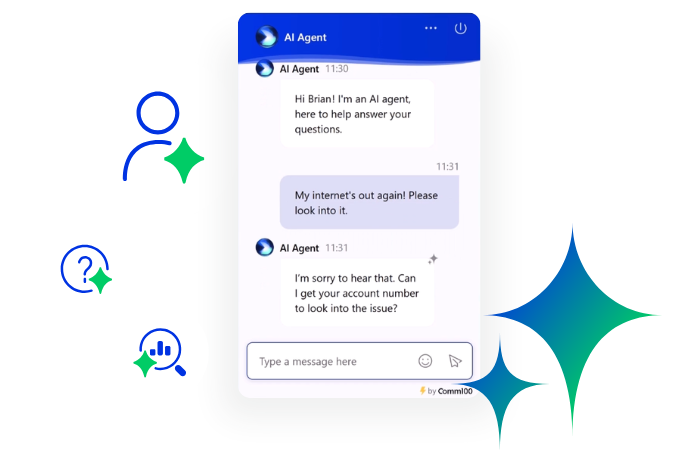


Every September and January, the same thing happens. Your shared admissions inbox climbs into four figures, the phone queue outruns the people staffing + Read More about how to reduce student wait times during peak enrollment season with ai chatbots

Gamification in Higher Education: Tapping into Student Motivation and Engagement
Gamification is quickly becoming part of our everyday lives. From fitness apps that turn exercise into a game to work environments that use game-like rewards, this concept is everywhere and still spreading its wings. In fact, the global gamification market size is projected to surpass $116.68 billion by 2032.
It’s also changing how we learn, especially in schools and colleges.
Gamification makes learning more fun and helps students pay attention better. This is a huge boon because the current surge in digital media is making it harder for people—pupils and working adults alike, to focus for long periods.
In this blog post, you will learn some of the most effective gamification strategies and how they can benefit your higher education students and overall teaching experience. You will also see how the same principles extend beyond the classroom into the student-services touchpoints where many students quietly disengage, including admissions, onboarding, advising, and financial aid.
AI-Backed Service Takes Hold in Higher Ed: A Detailed Survey
See where higher education institutions are using AI-backed student services, the results early adopters are reporting, and what is holding others back.
Download the reportReport
What is Gamification?
Gamification involves integrating game elements, such as points, badges, and leaderboards, into educational settings. This approach transforms learning from a passive to an active process, making it more engaging and interactive.
The growing impact of technology in education is evident in market trends. The global EdTech market is expected to reach about USD 348.41 billion by 2030, growing at a 13.3% annual rate from 2025 to 2030. This growth highlights the increasing importance and investment in technology-driven education, including gamification strategies.
Imagine if your school lessons felt a bit like playing a game. Instead of just reading and answering questions, you might earn points for getting things right or unlock special badges for completing challenges.
The effectiveness of gamification lies in its ability to tap into basic human desires for achievement and recognition. This is what makes the learning process more akin to active participation than passive absorption.
Unlike traditional educational methods, which often emphasize memorization, gamification encourages a more active and enjoyable learning experience.
Strategies for Gamification in Higher Education
Gamification can make learning more engaging, enjoyable, and tailored to students’ individual needs and learning styles. The strategies below represent a shift from traditional rote learning to a more interactive and dynamic educational experience.
Implement Gamification in Grading
Integrating gamification into grading involves using game elements like points or levels instead of traditional grades. For instance, students can start with zero and earn points for various activities, progressing through different ‘grades’ or ‘levels’ as they accumulate points.
This method transforms the grading system into a more dynamic and engaging process. It helps reduce stress and anxiety around grades, as students focus on accumulating points through learning activities rather than worrying about achieving a specific letter grade.
This approach also allows for more frequent and detailed feedback, which encourages continuous improvement and learning.
Create Point-Based Rewards System
A point-based rewards system awards points for completing tasks, participating in class, or achieving academic milestones. These points can be exchanged for rewards, such as extra credit, privileges, or tangible prizes.
This system motivates students by providing immediate recognition for their efforts. It also allows for a diverse range of achievements to be recognized, catering to different student strengths and interests.
Aligning the rewards with educational goals allows this system to significantly enhance student engagement and motivation. This makes learning more enjoyable and rewarding. The same mechanic works outside the classroom too. An onboarding checklist quest can let new students earn progress as they confirm enrollment, set up financial aid, register for orientation, and join their first club.
Implement Educational Quests
Educational quests are structured learning activities designed like missions or challenges in a game. These quests can involve solving problems, conducting research, or collaborating on projects.
They are a great way to provide a clear goal and a sense of adventure. Quests can be individual or group-based. This encourages both personal responsibility and teamwork. They also offer an opportunity to apply knowledge in practical, real-world scenarios, enhancing understanding and retention.
Take the backend development site Boot.dev as an example. They are treating Python lessons as levels in a video game, a concept wide-ranging enough that even higher education institutions can use it. You can treat individual lessons as stages and create custom mission briefings for each one, adding an extra layer of engagement and personalization to the learning experience.
Educational quests make the learning process more interactive and dynamic, breaking the monotony of traditional learning methods.
Introduce Level Progression and Leaderboards
Level progression involves structuring the curriculum so that students progress through different levels as they master content, similar to advancing in a game. This system gives students a clear path of progression, with each level presenting new challenges and learning opportunities.
Additionally, leaderboards display rankings based on student performance or points earned, which is a great way to foster a sense of achievement and healthy competition. They motivate students to improve their performance to climb up the rankings.
Together, level progression and leaderboards create a compelling and competitive learning environment that encourages continuous effort and achievement. One caution worth keeping in mind: competition motivates some students and discourages others. The strongest implementations let students opt into competitive elements, highlight personal progress alongside the rankings, and stay accessible so no group is left behind.
Feedback and Adaptation
In gamification, feedback is crucial for guiding and motivating students. Timely and constructive feedback helps students understand their strengths and areas for improvement.
This can be achieved through automated systems providing instant feedback on quizzes or assignments or through more personalized feedback from instructors. Additionally, gamified learning environments should be adaptable to individual student needs.
For instance, the difficulty level of tasks can adjust based on student performance, ensuring that each student is challenged appropriately. This personalized approach ensures that all students can engage with the material at their own pace and level, making learning more inclusive and effective.
Extending Gamification Across the Student Journey
Most articles stop at the classroom door. But the principles of gamification, including clear goals, immediate feedback, visible progress, and rewarding the behaviors you want to see, apply to the entire student experience. The student-services side is often where engagement quietly breaks down: a confusing financial-aid process, an unanswered question at 11 p.m., a long queue during enrollment week.
This is where support technology turns gamification from a classroom tactic into an institution-wide engagement strategy.
Guide Students Through Quests With an AI Agent
Many of the most important student behaviors, such as completing enrollment, filing for aid, and registering for orientation, are essentially multi-step quests. The Comm100 AI Agent can guide students through these flows 24/7, answering questions in natural language and walking them step by step toward completion.
Because it draws answers only from verified institutional content rather than generating them freely, students get accurate guidance at the exact moment they would otherwise stall or give up. UBC Okanagan, for example, uses Comm100 to triage a high student-to-advisor ratio, automating simple queries so staff can focus on the complex ones, and reduced student wait time by 30 percent in the process.
Give Every Quest a Single Source of Truth With a Knowledge Base
A gamified journey only works when the information behind it is consistent. A well-maintained Knowledge Base, kept current with AI Knowledge, which surfaces content gaps and drafts new articles from real conversations, ensures that whether a student self-serves or asks the AI Agent, the rules of the game stay the same everywhere.
Treat Real-Time Feedback as the Engine With AI Insights
The strategies above show that gamification lives or dies on feedback loops. The same is true for the teams running these programs. AI Insights tracks resolution rates, sentiment, and engagement patterns across student conversations. It shows which stages of the journey students move through easily and which ones frustrate them, so you can redesign the friction points instead of guessing.
Meet Students Where They Are With Live Chat
Engagement and a sense of community are core to why gamification works. Live Chat keeps a human connection one click away across the channels students already use, reinforcing that the institution is responsive and approachable rather than a maze of forms.
Remove the Anti-Game of Waiting With Queue Management
Nothing kills momentum like an invisible, endless line during peak periods such as enrollment week. Queue Management sets clear expectations and keeps students moving, preserving the sense of progress that makes a gamified experience feel rewarding rather than frustrating.
Used together, these tools let an institution apply the psychology of gamification, including progress, feedback, recognition, and low-stakes retries, to the whole student lifecycle rather than the syllabus alone.
How UBC Okanagan Reduced Student Wait Times by 30%
See how UBC Okanagan uses Comm100 to automate routine questions, increase advising capacity, and give students faster access to support.
Read the customer storyCustomer Story
The Key Benefits of Gamification in Learning
The incorporation of gamification into learning brings several key benefits:
- Gamification makes learning fun and interactive, so students are more interested and involved in their education, both in coursework and in the administrative steps that surround it.
- Elements like points and badges give students a sense of achievement, encouraging them to set and reach goals.
- Active participation in gamified activities helps students understand and remember their lessons more effectively.
- Features like leaderboards motivate students to improve while maintaining a friendly, collaborative atmosphere.
- A gamified approach reduces stress and fear of failure, letting students try different methods and learn from mistakes comfortably.
Technology’s Role in Enhancing Educational Gamification
Technology is significantly enhancing gamification in education. Modern learning management systems integrate game-like elements such as points and badges easily, making gamification a standard part of teaching. This simplifies how teachers use and manage these engaging techniques.
Development and customization have become more accessible. Teachers can adopt or build specialized platforms for gamification without the technical overhead these tools once required.
Real-time feedback and analytics provided by these technologies are crucial for maintaining student engagement in the long run. Students receive immediate responses to their actions, which helps in keeping their interests alive. Educators, on the other hand, can track student progress with precision, allowing them to tailor their teaching methods more effectively.
Artificial Intelligence (AI) and machine learning technologies have opened doors to personalized learning experiences. They adapt educational content and challenges based on individual student performance and preferences, ensuring that every learner is engaged at their own level. That same AI now extends to the support layer, with conversational agents that guide students through key tasks, knowledge systems that keep answers accurate, and analytics that reveal where students disengage. For budget-conscious institutions, the appeal is clear, because it scales personalized, game-like engagement without scaling headcount.
Conclusion
Gamification in education is a sign of how learning is changing to fit into our digital world. Today learning is much more than confining learners into a class and chattering away. There a huge shift in how we think about education and how learners absorb knowledge.
Gamification is one of the ways of adapting education to the changing times. It is about meeting students where they are and making the work, both academic and administrative, engaging rather than merely necessary. The motivational principles behind a gamified course also apply to enrollment, advising, and everyday support, so the strategies above can make the entire student experience more engaging, not just the lessons.

Create a More Engaging Student Experience
See how Comm100 can help your institution support students across admissions, onboarding, advising, financial aid, and everyday student services.
Contact salesRequest Demo